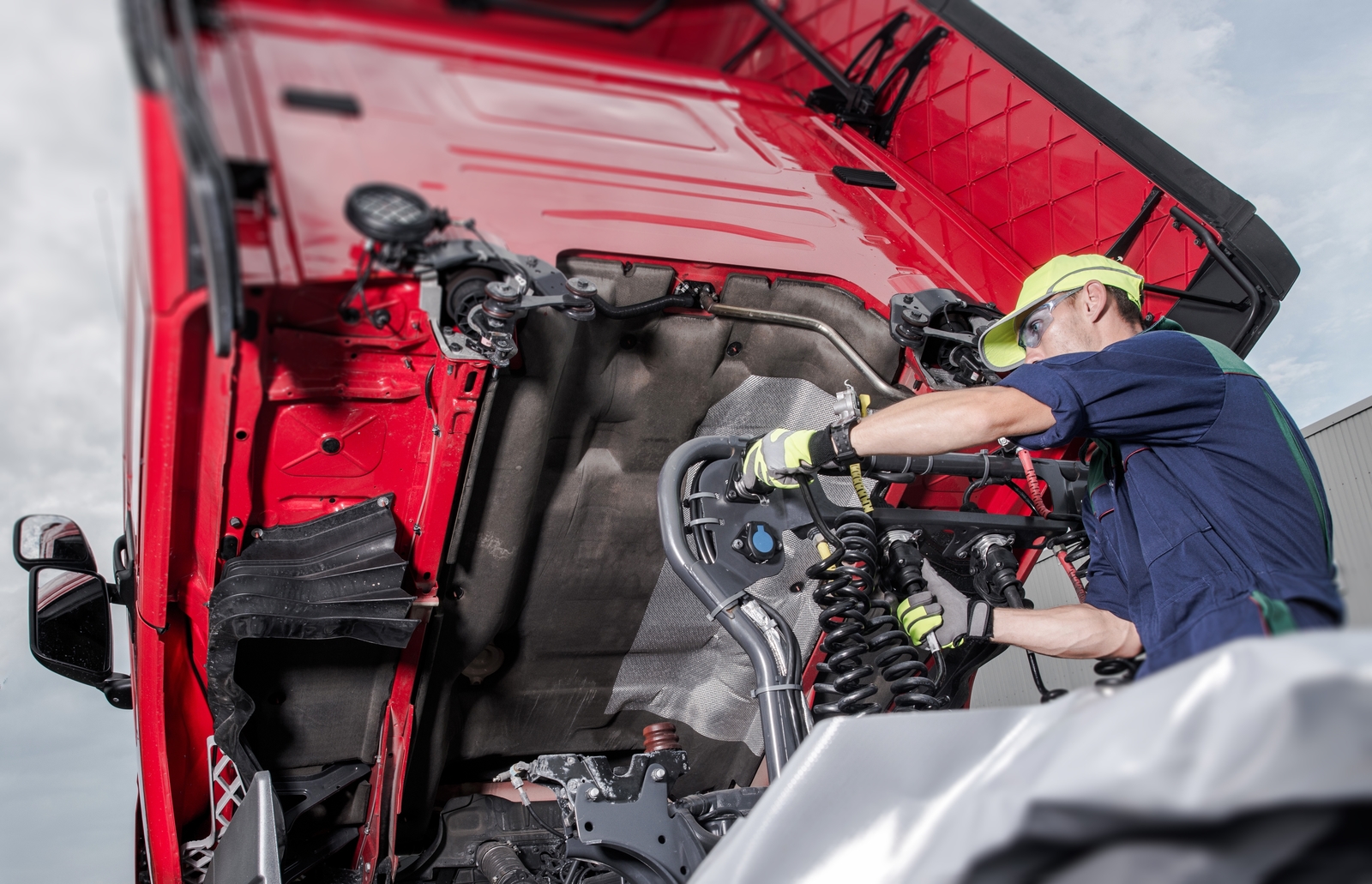
How to Prepare Your Truck for a COF in Hamilton
TLDR
Preparing your truck for a COF in Hamilton can help reduce the chance of inspection delays, unexpected repairs and unnecessary downtime. Before your booking, check key areas such as tyres, brakes, suspension, lights, mirrors, windscreen condition and visible leaks.
Addressing known faults early and arranging a pre-COF inspection when needed can make the process smoother and help keep your truck operating reliably.
Why Preparing for a COF in Hamilton Matters
A Certificate of Fitness inspection is an important part of keeping heavy and commercial vehicles roadworthy. For truck owners and fleet operators, a failed inspection can create more than a compliance issue. It can also mean additional workshop time, rechecks and lost productivity.
Preparing before your COF in Hamilton gives you an opportunity to identify obvious faults before the vehicle reaches the testing station. Even relatively minor issues, such as faulty lights or worn wiper blades, can cause delays if they are not corrected in advance.
Reduce the Risk of Downtime
Every day a truck is unavailable can affect deliveries, schedules and fleet productivity. Completing basic checks before an inspection can reduce the likelihood of avoidable failures and help keep the vehicle moving.
A planned maintenance approach is generally more efficient than waiting until the COF inspection reveals problems that could have been detected earlier.
Check Your Tyres and Wheels
Tyres should be one of the first areas checked when preparing for a truck COF. Heavy vehicles place considerable load on tyres, particularly when operating over long distances or carrying substantial loads.
Inspect each tyre for visible damage, uneven wear and adequate tread. Check that tyre pressures are appropriate and look for cracking, bulges or other signs of deterioration.
Inspect Wheels and Wheel Security
Wheel condition is equally important. Look for obvious damage, loose or missing wheel nuts and any signs that components are not sitting correctly.
If you notice unusual tyre wear, vibration or handling issues, it may be worth having the steering, suspension or wheel alignment checked before your COF appointment.
Inspect Brakes and Suspension
Braking systems are critical on any heavy vehicle. Before a COF in Hamilton, pay attention to any changes in braking performance, unusual noises or warning indicators.
Drivers should report symptoms such as reduced braking response, pulling to one side or vibration. These signs may indicate components that require professional inspection.
Check Suspension Components
Suspension systems endure significant wear, especially on trucks operating under heavy loads or across uneven surfaces. Look for damaged springs, worn bushes, leaking shock absorbers and other visible defects.
Problems with suspension can affect handling, tyre wear and vehicle stability, so known issues should be addressed before inspection.
Test Lights and Electrical Components
Lighting faults are often relatively easy to identify before a COF. Walk around the truck and test headlights, brake lights, tail lights, indicators, hazard lights and any required marker lights.
Replace failed bulbs and investigate any lights that operate intermittently. Reflectors should also be clean, securely fitted and in good condition.
Check Warning Lights in the Cab
Pay attention to dashboard warning lights as well. A warning indicator may point to an issue that requires further investigation before the truck is inspected.
Electrical faults can sometimes appear minor but may indicate a larger problem, particularly if they affect safety-related systems.

Check Visibility and Driver Equipment
Good driver visibility is essential for safe truck operation. Inspect the windscreen for damage that may affect the driver’s view and make sure the wipers operate effectively.
Check that washer fluid is available and that washer jets are functioning correctly. Worn wiper blades should be replaced before the inspection.
Inspect Mirrors, Seatbelts and the Horn
Mirrors should be secure, correctly positioned and free from significant damage. Check that seatbelts latch and retract properly, and make sure the horn operates as expected.
These simple checks take very little time and can help prevent avoidable problems during the inspection process.
Look for Leaks and Loose Components
A visual inspection around and underneath the truck can help identify potential problems before the COF. Look for signs of oil, coolant, fuel or other fluid leaks.
Any obvious leak should be investigated, particularly if it appears to be getting worse or could affect other vehicle systems.
Check the Exhaust and Bodywork
Inspect the exhaust system for loose mounts, visible damage or unusual movement. Body panels, guards, steps and other external components should also be secure.
Loose parts can create safety concerns and may worsen quickly when the truck is driven over rough roads.
Consider a Pre-COF Inspection in Hamilton
If your truck is older, heavily used or has known mechanical issues, a pre-COF inspection may be worthwhile. A workshop experienced with heavy vehicles can identify problems before the official inspection.
This approach can be particularly useful for fleet operators who want to schedule repairs in advance rather than deal with unexpected downtime after a failed COF.
Fix Known Faults Before Booking
If drivers or maintenance staff have already reported an issue, avoid leaving it until inspection day. Small faults can develop into larger and more expensive problems if they are ignored.
Keeping accurate maintenance records can also make it easier to identify recurring issues across a fleet.
Keep the Truck COF-Ready Throughout the Year
The easiest way to prepare for a COF in Hamilton is to maintain the truck consistently between inspections. Regular servicing, scheduled maintenance and driver checks can help identify wear before it becomes a major problem.
Daily or weekly vehicle checks can include tyres, lights, mirrors, fluid levels and visible damage. Drivers are often the first people to notice changes in braking, steering or vehicle behaviour.
Use Preventive Maintenance
Preventive maintenance can reduce the need for urgent repairs and make COF preparation more straightforward. Rather than treating the inspection as a one-off event, consider roadworthiness as an ongoing part of fleet management.
This approach can support better reliability, lower unexpected repair costs and fewer disruptions to business operations.
Getting Ready for Your Truck COF in Hamilton
Preparing for a COF does not need to be complicated. Start with the obvious areas, including tyres, brakes, suspension, lights, visibility and visible leaks. Address known faults before your appointment and consider a workshop pre-check if the truck has high mileage or demanding operating conditions.
For Hamilton truck operators, a little preparation can make the inspection process smoother and help minimise unnecessary downtime.
Frequently Asked Questions About COF Inspections in Hamilton
What should I check before a truck COF?
Check tyres, wheels, lights, brakes, suspension, mirrors, windscreen condition, wipers, seatbelts, the horn and any obvious fluid leaks or loose components.
Is a pre-COF inspection worth it?
It can be worthwhile for older trucks, heavily used vehicles or trucks with known faults. A pre-check can identify repair items before the official inspection.
What happens if my truck fails its COF?
Any identified faults will generally need to be repaired before the vehicle can successfully complete the required inspection process.
How can I reduce the chance of a COF failure?
Regular servicing, preventive maintenance and consistent driver checks can help identify issues early and reduce the likelihood of unexpected problems at inspection time.
Should I service my truck before a COF?
If a service is due soon or the truck has known mechanical concerns, servicing it before the COF can help identify and resolve potential issues before inspection.