
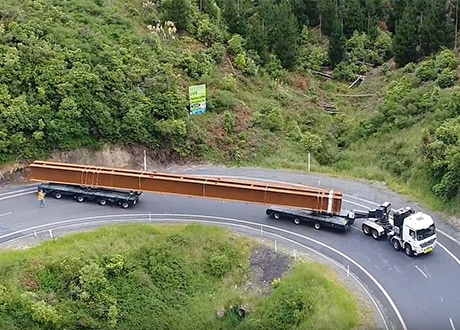
Why Preventative Maintenance Matters for Industrial Trucks
Industrial trucks are relied on every day to keep worksites moving, materials handled properly, and operations running on schedule. When these vehicles are working under constant demand, even a small issue can quickly affect productivity, safety, and overall performance. That is why preventative maintenance matters so much.
Rather than waiting for something to fail, a proactive approach helps operators and businesses identify wear early, deal with issues sooner, and keep trucks in dependable working condition.
For many businesses, maintenance is easy to push down the priority list when vehicles seem to be running as expected. The problem is that industrial trucks rarely go from perfect condition to total failure overnight. More often, small signs of wear build gradually until they begin affecting the vehicle in more noticeable and expensive ways.
Preventative maintenance creates a more consistent and practical way to manage that risk, helping owners protect both the truck itself and the work that depends on it.
Why Industrial Trucks Need a Preventative Maintenance Approach
Heavy use leads to faster wear
Industrial trucks are built for demanding environments, but that does not mean they are immune to wear. Frequent use, heavy loads, long operating hours, and challenging site conditions all place steady pressure on key systems and components.
Over time, that pressure can affect everything from tyres and brakes to steering, hydraulics, and electrical systems. Even when the truck still appears to be functioning normally, the wear can already be developing beneath the surface.
This is why preventative maintenance should be seen as an essential part of operating industrial trucks rather than an optional extra. These vehicles are often expected to perform consistently in settings where reliability matters every day, and that level of performance does not happen by accident.
Regular inspections and servicing help ensure that wear is picked up before it becomes more serious, giving operators a better chance to address issues while they are still manageable and less disruptive.
Minor issues can become major disruptions
One of the biggest risks with industrial trucks is assuming a small issue can wait. A minor fault may seem harmless at first, especially if the truck is still able to complete its usual tasks, but that does not mean the problem is staying small.
Wear in one area often places strain on other parts of the vehicle, and what starts as a routine repair can quickly turn into a larger mechanical problem if it is ignored for too long.
The cost of that delay is not always limited to the repair itself. Once an industrial truck is out of action, the wider impact often becomes much more noticeable. Jobs may need to be rescheduled, staff may be left waiting, and workflow across a site can be interrupted.
Preventative maintenance reduces the chance of those avoidable disruptions by treating early signs of wear as something worth acting on before they begin affecting the bigger picture.
The Main Benefits of Preventative Maintenance
Improved reliability on the job
Reliability is one of the most valuable qualities any industrial truck can offer, especially in demanding work environments where consistency matters. A truck that starts, runs, and performs as expected each day supports smoother operations and gives operators greater confidence in the equipment they are using.
Preventative maintenance plays a direct role in that reliability by helping to keep the vehicle in sound working order and reducing the likelihood of unexpected breakdowns.
This matters because reliability is not only about avoiding inconvenience. It is also about supporting the pace and structure of the work itself. When industrial trucks can be counted on to perform properly, businesses are in a better position to meet deadlines, keep tasks moving, and avoid the unnecessary pressure that comes with equipment failure.
A proactive maintenance routine helps create that stability by reducing uncertainty and giving owners a clearer understanding of the truck’s condition over time.
Better safety and lower long-term costs
Safety is another major reason preventative maintenance should never be overlooked. Industrial trucks operate in environments where faults can create serious risks for operators, nearby workers, and the worksite.
Problems with braking, steering, tyres, lighting, or hydraulics can affect control and visibility, and those are not issues that should be left until they become impossible to ignore. Early checks help identify problems before they begin compromising safe operation.
There is also a strong financial case for taking a preventative approach. Regular servicing and routine inspections usually cost far less than emergency repairs, major part replacements, or extended downtime caused by breakdowns.
While maintenance does require planning and ongoing attention, it often protects businesses from much larger costs later on. In that sense, preventative maintenance is not just a technical responsibility. It is also a practical way to manage operating costs more effectively over the long term.
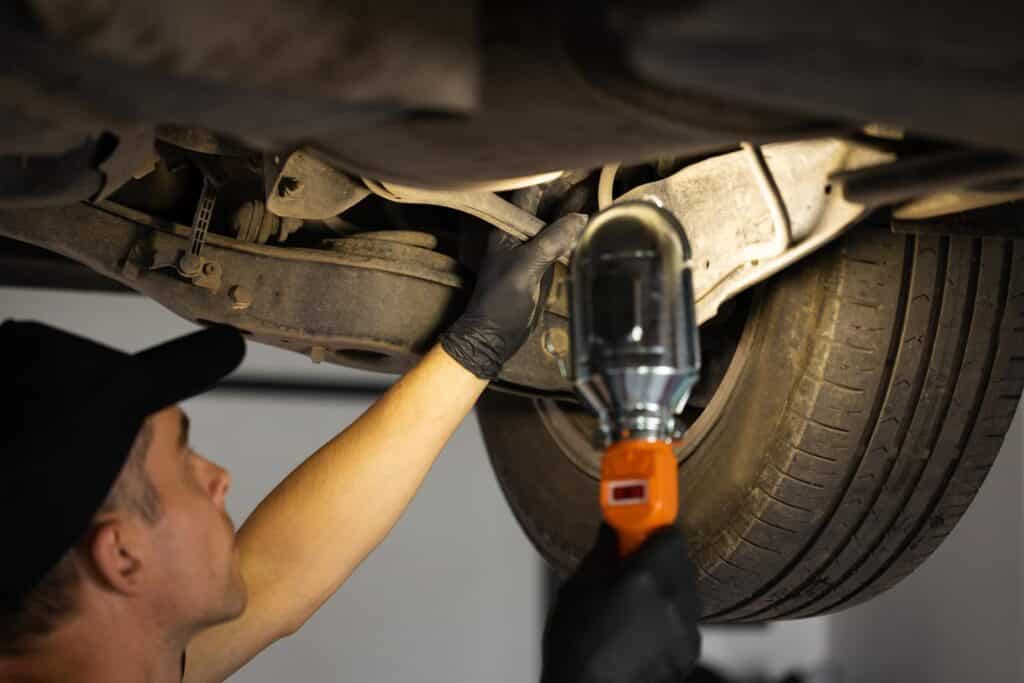
Common Areas That Should Never Be Overlooked
Tyres, brakes, and steering
Some of the most important maintenance checks are also the most fundamental. Tyres, brakes, and steering all have a direct influence on control, handling, and safety, which means they deserve regular attention.
Worn tyres can reduce grip and stability, brake issues can affect stopping performance, and steering problems can make the truck harder to manage in already demanding environments. These are not the kinds of faults that improve with time, and leaving them unaddressed only increases the risk.
Because these systems affect core vehicle performance, they should be viewed as priority items within any preventative maintenance plan. Regular checks can help spot uneven wear, declining response, or early mechanical issues before they become more serious.
In many cases, the purpose of routine maintenance is not just to keep the truck running, but to make sure it continues operating in a way that remains safe, responsive, and reliable under normal working conditions.
Hydraulics, fluids, and general system checks
Hydraulics and fluid systems are just as important, particularly in trucks that rely on lifting, loading, or other repetitive functions throughout the workday. If fluid levels drop, seals wear out, or moving parts begin to lose efficiency, the truck’s performance can decline in ways that may not be obvious immediately.
General system checks help identify those changes early and provide a chance to correct them before they begin affecting the vehicle more broadly.
It is also worth remembering that smaller checks can prevent larger issues. Batteries, lights, warning indicators, and other everyday systems may not seem as urgent as heavy mechanical components, but they still contribute to safe and dependable performance.
A preventative maintenance routine works best when it includes both the obvious and less obvious areas of the vehicle. Together, those checks create a more complete picture of the truck’s condition and help reduce the chance of unexpected failures.
Why Reactive Maintenance Often Costs More
Breakdowns usually happen at the worst time
Reactive maintenance may seem simpler in the short term because it delays action until something clearly needs attention. The problem is that breakdowns rarely happen at convenient times. When an industrial truck fails during a busy period, the effects can spread quickly through the wider operation.
Tasks are delayed, staff may need to adjust their workflow, and other equipment may be stretched further to cover the loss. What appears to be one vehicle issue can quickly become a broader productivity problem.
This is where preventative maintenance proves its value. By working ahead of visible failure, businesses are less likely to be caught off guard by sudden mechanical issues that interrupt the job.
Planned servicing is easier to schedule, easier to budget for, and easier to manage than emergency downtime. In most cases, a reactive approach only feels cheaper or simpler until the first major disruption arrives. After that, the value of consistent maintenance becomes much clearer.
The same principle applies to high-use systems at home
The broader lesson is that anything used regularly tends to benefit from maintenance before problems become urgent. That principle is easy to see with industrial trucks, but it also applies in residential settings, where high-use systems are often ignored until they stop working properly.
Garage doors are a good example of this, as many homeowners do not think about servicing or repairs until access becomes difficult, reliability drops, or a fault starts affecting day-to-day use.
That crossover highlights an important point about maintenance generally. Whether the equipment is operating on a worksite or at home, smaller issues are often cheaper and easier to address early. This is why timely attention to items such as garage door repairs can make a meaningful difference to long-term reliability, safety, and convenience. The setting may be different, but the value of staying ahead of wear remains very much the same.
Building Better Maintenance Habits
A proactive approach supports long-term performance
The best maintenance strategies are usually the ones that are built into normal operations rather than treated as a last resort. Scheduled servicing, regular inspections, and consistent reporting all make it easier to spot developing issues and manage equipment more confidently over time.
That structure helps remove guesswork and creates a more dependable system for protecting vehicles that are too important to leave to chance.
In the end, preventative maintenance is about more than avoiding breakdowns. It supports safer operation, stronger reliability, lower repair costs, and better long-term performance from industrial trucks that are expected to deliver every day.
When businesses take a proactive approach, they are not just maintaining equipment. They are protecting productivity, reducing disruption, and making sure their trucks remain ready for the work ahead.


